
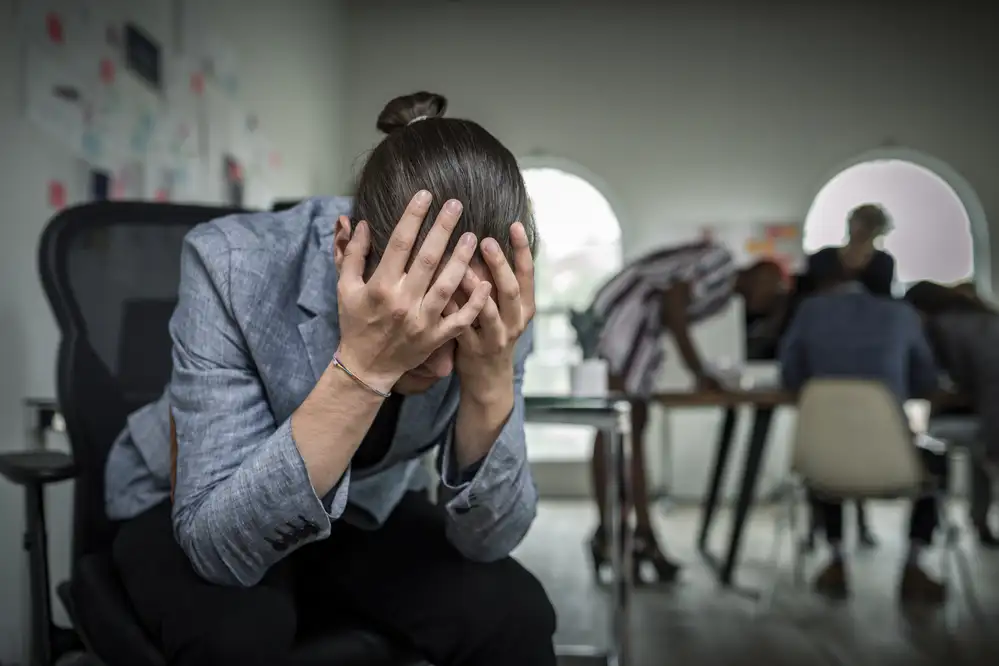
Fear is a natural emotion that plays an important role in the functioning of the body. In the right amounts, it is downright good and necessary, allowing us to respond to potential threats and mobilizing us to act. However, the problem begins when fear exceeds its adaptive function and begins to dominate a person’s life.
Chronic, excessive fear that persists even after the threat has passed and lasts for a long time can lead to anxiety disorders, a group of conditions that affect not only mental health, but also physical health. These disorders can manifest themselves in many ways, and the anxiety felt is downright panicky.
The importance of anxiety disorders in today’s society is hard to overestimate. Living in a dynamic, often stressful world means that more and more people struggle with different types of anxiety, which can affect people of different ages and with different life experiences.
Anxiety disorders – common features
Anxiety disorders can be extremely exhausting, affecting your work performance, relationships, and overall quality of life. There are many types of anxiety. Each one manifests itself slightly differently, but there are a few common elements:
- ✅ Feeling worried and anxious most of the time,
- ✅ Difficulty calming down,
- ✅ Feeling overwhelmed or terrified by sudden feelings of panic,
- ✅ Experiencing recurring thoughts that cause anxiety,
- ✅ Experiencing unpleasant states after a traumatic event,
- ✅ There may be ailments related to the circulatory system, breathing, and digestive system – specific examples of somatic symptoms are given for each disorder,
It is also worth knowing that anxiety can accompany some somatic diseases, such as Alzheimer’s, or Parkinson’s disease. For this reason, in order to diagnose anxiety disorders, it is necessary to first exclude the causes of anxiety resulting from somatic diseases.
Types and causes of anxiety disorders
Anxiety disorders include a variety of emotional and physical states. The causes of anxiety states can have different backgrounds, and understanding how and why they arise should begin with knowing the foundation of the anxiety experienced.
Below we briefly present the main types of anxiety disorders. It is worth noting that people often experience more than one type of these disorders. Experts point to the existence of 6 types of anxiety bases.
1. Generalized Anxiety Disorder
Chronic anxiety that is not tied to a specific situation but rather affects everyday matters. It manifests itself as constant tension and anxiety. This syndrome is characterized by an unrealistic and exaggerated fear of potential misfortune or catastrophe, which is accompanied by almost constant worry.
Generalized Anxiety Disorder or GAD is a chronic disorder that significantly impedes everyday functioning. To be diagnosed, symptoms must be present most of the time for at least half a year. The subject of worry is often financial matters, the health of family members, and the exclusion of one reason for worry causes the appearance of another. The symptoms may include:
- ✅ Excessive, persistent worry or anxiety about various aspects of life (e.g., work, health, finances)
- ✅ Difficulty controlling the worry
- ✅ Restlessness or feeling keyed up or on edge
- ✅ Being easily fatigued
- ✅ Difficulty concentrating or mind going blank
- ✅ Irritability
- ✅ Muscle tension (e.g., aches, tightness, soreness)
- ✅ Sleep disturbances (difficulty falling or staying asleep, or unsatisfying sleep)
- ✅ Sweating
- ✅ Nausea or gastrointestinal discomfort
- ✅ Increased heart rate or palpitations
- ✅ Trembling or feeling shaky
2. Panic disorder
Panic attacks can occur suddenly, without any apparent cause. They are accompanied by severe somatic symptoms such as palpitations, dizziness, sweating, or a feeling of shortness of breath. They are usually accompanied by a number of physiological symptoms.
Panic attacks are sudden, not related to any situational factor. A person experiencing panic anxiety is often afraid of having more attacks, so they avoid places from which escape could be difficult. In such a case, the person avoids being in public places for fear of having somatic complaints – a heart attack, fainting. Panic disorder symptoms may include:
- ✅ Sudden and repeated panic attacks (intense fear or discomfort that peaks within minutes)
- ✅ Racing or pounding heart (palpitations)
- ✅ Sweating
- ✅ Trembling or shaking
- ✅ Shortness of breath or a feeling of being smothered
- ✅ Feelings of choking
- ✅ Chest pain or discomfort
- ✅ Nausea or abdominal distress
- ✅ Dizziness, lightheadedness, or feeling faint
- ✅ Chills or hot flashes
- ✅ Numbness or tingling sensations (paresthesia)
- ✅ Feelings of unreality (derealization) or being detached from oneself (depersonalization)
- ✅ Fear of losing control or “going crazy”
- ✅ Fear of dying
- ✅ Avoidance of places or situations where panic attacks have occurred (can lead to agoraphobia).
3. Social anxiety or social phobia
Intense fear of being judged or criticized in social situations, which leads to avoiding meetings and public speaking. In extreme cases, the person affected by this type of anxiety finds no way to cope with it and avoids leaving the house.
A person with social phobia is usually convinced that these symptoms are blatantly visible to the environment and additionally contribute to “social embarrassment”. The fear of the occurrence of the aforementioned vegetative symptoms causes them to intensify in social situations. Strong discomfort associated with being in social situations often results in avoiding them.
Social phobia is distinguished from shyness primarily by the occurrence of a paralyzing fear that prevents or seriously impedes participation in all social situations. The feeling of anxiety and somatic symptoms may intensify even at the mere thought of the prospect of public exposure. This usually leads to avoidance of such situations and varying degrees of social isolation. Social anxiety or social phobia may include the following symptoms:
- ✅ Intense fear of social situations where one may be judged
- ✅ Avoidance of social or performance situations
- ✅ Excessive worry before social events
- ✅ Fear of embarrassment or humiliation
- ✅ Extreme self-consciousness in front of others
- ✅ Difficulty speaking or making eye contact
- ✅ Blushing
- ✅ Sweating
- ✅ Trembling
- ✅ Nausea or upset stomach
- ✅ Rapid heartbeat
- ✅ Shortness of breath
- ✅ Dizziness or lightheadedness
- ✅ Negative self-talk
- ✅ Low self-esteem
- ✅ Interference with work, school, or daily life due to fear of social interactions.
4. Specific phobias
Specific phobias are a disorder characterized by a strong and inexplicable fear of specific objects or situations. Irrational fear of specific objects or situations, e.g. heights, caterpillar, or closed spaces. People experiencing them are usually aware of the irrationality of their fears and the exaggerated feeling of fear, yet they avoid all contact with the stimuli that cause the phobia. According to diagnostic criteria, simple phobias can be divided into:
- ✅ Animal phobias – e.g. fear of snakes, spiders, rats,
- ✅ Phobias related to the natural environment – e.g. fear of storms, flowers, water, snow,
- ✅ Blood, injection, injury phobias – e.g. fear of pain, dirt, germs,
- ✅ Situational phobias – e.g. fear of heights, claustrophobia, fear of theft, fear of the dentist,
- ✅ Other phobias – e.g. fear of God, crowds, smells, the number 13, sharp objects.
Many people experience fear when confronted with certain stimuli, but in reality phobias affect no more than 10% of the population.
5. Obsessive-compulsive disorder (OCD)
The basic feature of OCD is the recurring occurrence of obsessions and compulsions that are severe and time-consuming. Obsessions are unwanted, intrusive, unacceptable, and repetitive thoughts, images, and impulses that are difficult to control and cause great distress, even if the person experiencing the thoughts realizes their irrationality.
Their content focuses on distressing, disgusting, meaningless content such as dirt, contamination, germs, unacceptable sexual behavior, fear of harming someone, need for order and symmetry.
Compulsions usually appear in response to obsessions. These are rigid, repetitive rituals that a person feels compelled to perform. They are intended to reduce the tension caused by intrusive thoughts, to protect against anxiety. Obsessive-compulsive disorder may include the following symptoms:
- ✅ Recurrent and persistent unwanted thoughts (obsessions)
- ✅ Repetitive behaviors or mental acts (compulsions) performed to reduce anxiety
- ✅ Excessive cleaning or hand washing
- ✅ Repeated checking (e.g., doors, appliances)
- ✅ Ordering or arranging items in a specific, precise way
- ✅ Counting, tapping, or repeating words silently
- ✅ Fear of contamination by germs or dirt
- ✅ Intrusive thoughts about harming oneself or others
- ✅ Avoidance of situations that trigger obsessions
- ✅ Distress or anxiety when rituals are not performed
- ✅ Time-consuming behaviors that interfere with daily life
- ✅ Awareness that obsessions and compulsions are irrational, yet feeling powerless to stop them.
6. Acute Stress Disorder (ASD) and Post-Traumatic Stress Disorder (PTSD)
Acute stress disorder (ASD) can occur after experiencing a traumatic situation. The main criterion differentiating these two disorders is the presence of a group of dissociative symptoms in the case of ASD. This group includes: a feeling of numbness, depersonalization, derealization, a sense of bewilderment, isolation from people, strange behavior, memory problems. These symptoms occur after a shocking event and last from several days to a month. If the symptoms persist for more than a month, the correct diagnosis will be PTSD.
PTSD or Post-traumatic stress disorder can occur as a result of experiencing a traumatic event. A person affected by this disorder has trouble recalling the course of traumatic events, trouble with insomnia, concentration, feeling positive emotions, gets angry and irritated quickly, and is easily frightened. ASD and PTSD may include the following symptoms:
- ✅ Intrusive and distressing memories of the traumatic event
- ✅ Flashbacks or feeling as if the trauma is happening again
- ✅ Nightmares related to the traumatic experience
- ✅ Intense psychological or physical distress when reminded of the trauma
- ✅ Avoidance of thoughts, feelings, or reminders associated with the trauma
- ✅ Inability to remember important aspects of the traumatic event
- ✅ Negative thoughts about oneself, others, or the world
- ✅ Persistent feelings of fear, horror, anger, guilt, or shame
- ✅ Loss of interest in previously enjoyed activities
- ✅ Feeling detached or estranged from others
- ✅ Hypervigilance or being overly alert
- ✅ Exaggerated startle response
- ✅ Difficulty concentrating
- ✅ Sleep disturbances (e.g., trouble falling or staying asleep)
- ✅ Irritability or angry outbursts
- ✅ Reckless or self-destructive behavior (more common in PTSD)
📝 Note:
- ✅ Symptoms of ASD occur within 3 days to 1 month after the trauma.
- ✅ Symptoms of PTSD last more than 1 month and may begin shortly after or even months later.
Each of these types of anxiety disorders varies in terms of symptoms and severity, but the common thread is that they can significantly disrupt life and require treatment. While anyone who experiences anxiety is at their wits’ end, it is essential to remember that panic attacks are treatable, and the key to this is understanding the causes of anxiety attacks.
Ready to take control of your anxiety?
The Cause of anxiety disorder
Often, anxiety is the result of a combination of factors, and not all of them are within our control. People with a family history of anxiety disorders are more likely to develop them. Studies suggest that genetic predispositions can affect the way the body responds to stress.
An imbalance in neurotransmitters such as serotonin, norepinephrine also plays a major role in the development of anxiety. These chemicals are responsible for regulating mood and how we respond to stress. However, the cause of anxiety disorder may include:
- ✅ Genetic predisposition or family history of anxiety or other mental health conditions
- ✅ Imbalance of brain chemicals (neurotransmitters like serotonin, dopamine, GABA)
- ✅ Personality traits such as being more sensitive to stress or prone to negative thinking
- ✅ Traumatic or stressful life events (e.g., abuse, loss of a loved one, accidents)
- ✅ Chronic medical conditions (e.g., heart disease, diabetes, chronic pain)
- ✅ Substance abuse or withdrawal from alcohol, caffeine, or drugs
- ✅ Childhood adversity, neglect, or bullying
- ✅ Ongoing stress (e.g., work pressure, financial problems, relationship issues)
- ✅ Overuse of stimulants like caffeine
- ✅ Hormonal changes (e.g., during pregnancy, menopause, thyroid issues)
- ✅ Co-existing mental health disorders such as depression or PTSD.
Top Anxiety Treatment Options Available in Mansfield, TX
Anxiety disorders encompass a wide range of symptoms and different forms of anxiety. Treatment of this type of disorder can be extremely complex and demanding, as each case may have a different basis and course. Currently, doctors use various therapeutic methods, which include both pharmacological and psychotherapeutic treatment.
1. Pharmacotherapy as a support in the treatment of anxiety disorders
Doctors often use pharmacotherapy as the first step in treating people with anxiety disorders. They also use psychotropic drugs with proven efficacy in reducing anxiety symptoms. However, it is advisable for pharmacotherapy to be just one step in a comprehensive treatment that aims not only to alleviate symptoms but also to diagnose their causes and develop ways to cope with anxiety.
Among the drugs used in the treatment of anxiety disorders, the most common are antidepressants , such as selective serotonin reuptake inhibitors, or serotonin and norepinephrine reuptake inhibitors. These drugs are designed to regulate the concentration of neurotransmitters in the brain and thus affect the patient’s mood. In the case of severe anxiety or panic disorder, benzodiazepines are sometimes used, which have a calming effect.
2. Psychotherapy – a key element of treating anxiety disorders
Psychotherapy is a fundamental element of treating anxiety disorders. Its goal is to gain knowledge about the mechanisms of anxiety and to learn effective strategies for dealing with it. The most effective method of psychotherapy in treating anxiety disorders is cognitive behavioral therapy (CBT), which focuses on analyzing the patient’s beliefs and thoughts and their impact on behavior.
Cognitive-behavioral therapy is based on working on changing negative thought patterns that lead to anxiety symptoms. In addition, the psychotherapist teaches the patient to recognize situations that cause anxiety and how to deal with them.
📝 Implementing new habits and strategies can significantly improve the well-being of a person suffering from anxiety disorders.
3. Complementary therapies for anxiety disorders
In the treatment of anxiety disorders, it is also worth using complementary therapies that will help the patient cope with anxiety on a daily basis. Examples of such therapies are relaxation techniques, which help reduce the level of tension, both mental and physical.
It is also worth paying attention to psychodynamic therapy. This method assumes that anxiety may be the result of unregulated emotions and internal conflicts that affect the work of the nervous system and the functioning of the body as a whole.
How to Get Rid of Anxiety? Self-Help Techniques for Anxiety Attacks
There are many ways to deal with anxiety. Various techniques help control the symptoms of anxiety. Their regular use can improve the quality of life and reduce the severity of symptoms. It is worth learning about ways to tame anxiety so that it does not have power over us and does not hinder everyday functioning.

🔄 Breathing and relaxation exercises
Breathing exercises, such as abdominal breathing, can help calm the heart and body. Relaxation practices, including meditation and mindfulness techniques, help you focus on the present moment, reducing feelings of anxiety and tension.
🏃♂️ Physical activity
Regular exercise such as jogging, yoga or swimming can help reduce anxiety levels. Exercise releases endorphins, which improve mood and act as natural anti-anxiety agents.
🥗 Healthy Diet and Lifestyle
A proper diet can have a big impact on how you feel. Avoiding excess caffeine, alcohol and sugar, as well as ensuring you get regular sleep, can help you cope with anxiety symptoms. It is also worth including foods rich in magnesium and B vitamins in your diet, which support the nervous system.
| Factor | Impact on Anxiety |
|---|---|
| Avoid Excess Caffeine | Reduces jitteriness, racing thoughts, and sleep issues linked with anxiety. |
| Limit Alcohol Intake | Prevents mood swings and depressive crashes that can worsen anxiety symptoms. |
| Cut Down on Sugar | Stabilizes blood sugar levels and reduces irritability and nervous energy. |
| Ensure Regular Sleep | Promotes emotional regulation and reduces anxiety-provoking fatigue. |
| Include Magnesium-Rich Foods | Helps regulate neurotransmitters and reduce nervous system excitability. |
| Add B-Vitamin-Rich Foods | Supports brain function, mood stability, and energy levels. |
🪻 Adaptogens and Herbs
Natural remedies like lemon balm, and valerian can support the body in combating anxiety. Adaptogens help regulate the body’s response to stress, which can be helpful in dealing with chronic anxiety.
🧠 Cognitive Behavioral Techniques
Self-application of cognitive behavioral therapy (CBT) elements involves analyzing thoughts and their impact on emotions. Replacing negative, irrational thoughts with more realistic and constructive ones can help manage anxiety.
final words
Anxiety disorders and panic attacks can significantly impede daily functioning, affecting both the emotional and physical state of the body. Although anxiety is a natural emotion, its excessive intensity or chronic nature requires intervention. It is crucial to understand that anxiety has many causes, from genetic factors to stressful life events, and its symptoms can take both mental and physical forms.
Methods such as breathing exercises, meditation, and physical activity can support coping with anxiety, but in more serious cases, professional help is necessary, including cognitive behavioral therapy and pharmacotherapy.
Understanding the sources and symptoms of anxiety and using appropriate coping techniques is key to regaining control over your life. The use of therapy, support from loved ones, and a conscious approach to treatment can help tame anxiety and lead to long-term improvement in the quality of life.
📝 Dealing with anxiety requires courage and commitment, but it is possible to achieve emotional stability and return to a full life.
Frequently asked questions about anxiety disorder
What are the most effective treatments for anxiety in Mansfield, TX?
The most effective treatments for anxiety in Mansfield include cognitive behavioral therapy (CBT), medication such as SSRIs or SNRIs, and complementary therapies like mindfulness and relaxation techniques. Reliant Family Psychiatry provides personalized treatment plans tailored to each patient’s needs.
Can breathing exercises really help reduce anxiety symptoms?
Yes, breathing exercises like abdominal breathing and mindfulness techniques are proven to reduce heart rate, relax the nervous system, and alleviate anxiety symptoms. They are often recommended as part of anxiety therapy.
When is medication necessary for anxiety disorders?
Medication is usually considered when anxiety symptoms are severe, persistent, or interfere with daily functioning. Antidepressants and sometimes short-term benzodiazepines are prescribed under a psychiatrist’s supervision at clinics like Reliant Family Psychiatry in Mansfield.
What types of therapy work best for panic attacks?
Cognitive behavioral therapy (CBT) is highly effective for treating panic attacks. It helps patients identify triggers, reframe irrational fears, and regain control over physical symptoms through practical coping strategies.
Are there natural ways to cope with chronic anxiety?
Yes, natural remedies such as adaptogenic herbs (like lemon balm or valerian), a balanced diet rich in B vitamins and magnesium, regular physical activity, and relaxation practices can help manage anxiety alongside clinical care.